Address
Jl. Raya Kuta No.5B, Kuta Lombok, Kec. Pujut, Kuta lombok, Nusa Tenggara Bar. 83573
Open Hours
All day: 12PM - 11PM
Address
Jl. Raya Kuta No.5B, Kuta Lombok, Kec. Pujut, Kuta lombok, Nusa Tenggara Bar. 83573
Open Hours
All day: 12PM - 11PM


 ByKenza
If you’re spending time in Kuta Lombok, at some point you’ll hear people talking about visiting a Sasak village. You might wonder if it’s really worth stepping away from the beach, the coffee spots, or your slow mornings. Short answer, yes.
Visiting a Sasak village gives you context, and once you see how people live here, Lombok starts to make more sense.
This guide is written for you who want real information, not just surface-level tips. I’ll walk you through what Sasak villages are, what you’ll actually see there, what sometimes feels awkward for visitors, and how to do it properly without overthinking it.
Read More: Sukarara Weaving Village: Entrance Fee, Location & Tips
A Sasak village is a traditional settlement where the Sasak people, Lombok’s indigenous ethnic group, still live according to customs passed down for generations. These villages aren’t museums, and that’s important to understand before you arrive.
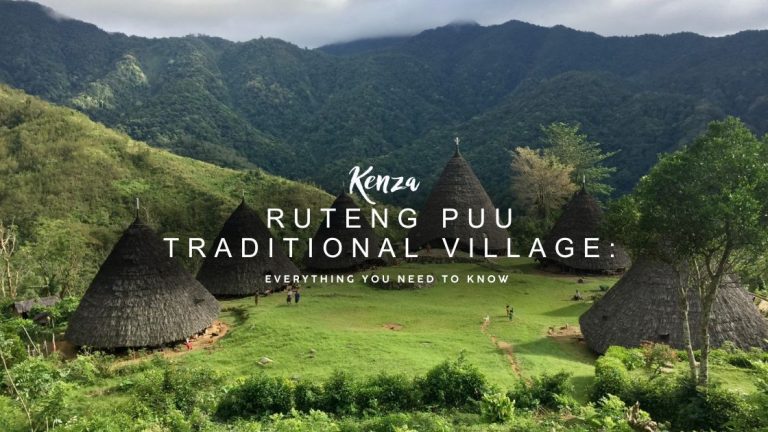
You’ll notice right away that houses look different from anything modern. Roofs are made from alang-alang grass, walls often from woven bamboo, and floors traditionally mixed with clay and natural materials.
Yes, you may hear about buffalo dung being used in floor finishing. It sounds strange, but it’s practical, antibacterial, and has been done forever.
Villages like Sade Village Lombok and Ende Village Lombok are popular because they’re still active communities. People cook, weave, raise kids, and welcome visitors all in the same space.
You’re stepping into someone’s daily routine, not a staged performance, and sometimes it shows.


This is the most common question I get asked. There are two main villages that are open to tourists in the southern part of Lombok: Sade and Ende. Both are located quite close to each other, just off the main road leading from the airport to Kuta Lombok.
Sade is the more famous one. It’s bigger, has more houses, and is generally more organized for tourism. Because of this, it can feel a bit more commercial. You’ll find row after row of souvenir stalls, and sometimes it feels a bit like a shopping trip.
However, the architecture there is dense and impressive, giving you a real sense of how a packed village operates.
Ende, on the other hand, is smaller and feels a bit more authentic to some. It’s usually quieter. The locals at Ende seem a bit more relaxed, and the interactions can feel less transactional.
If you prefer a slower pace and want to take photos without twenty other tourists in the background, Ende might be your better bet. Honestly, if you have time, you could do both, but if I had to pick one for a genuine feel, I’d lean slightly toward Ende.
The Sasak people have lived on Lombok long before tourism existed here. Their traditions come from a mix of ancient beliefs, Islamic influence, and local customs that adapted over centuries.
One thing that surprises many visitors is how strong tradition still is. Marriage customs, inheritance rules, and even house placement follow old systems.
In some villages, only certain people can enter certain houses, and that’s not negotiable. It’s not about excluding you, it’s about maintaining order that’s been respected for a long time.
Understanding this history helps you avoid frustration. If a guide tells you you cannot go inside, that’s not poor service. That’s culture being protected, and honestly, it’s refreshing to see it still standing.
When you arrive at the parking area of either Sade or Ende, you will be greeted immediately. It’s standard procedure to be assigned a local guide.
You can’t really wander around these villages alone, and honestly, you wouldn’t want to. The guide is usually a local from that specific village who speaks decent English.
They will walk you through the narrow pathways, explaining the family structures and daily life. You might feel a bit pressured to buy things. There are stalls everywhere selling bracelets, sarongs, and shirts. It’s okay to say no.
The tour usually takes about 30 to 45 minutes, depending on how many questions you ask. It’s hot, so bring water. The paths can be uneven, so maybe leave the high heels at the hotel. It’s a dusty, real village environment, so dress comfortably.
Since people actually live here, it is important to be respectful. This isn’t a theme park; it’s their neighborhood. When taking photos of people, especially the elderly, always ask for permission first. Usually, they are happy to oblige, but it’s just common decency.
Dress modestly. You don’t need to be fully covered, but walking around in a bikini top or shirtless is a major no-go. A t-shirt and shorts are totally fine. If you enter a house, you might need to take your shoes off, so watch what your guide does.
Public displays of affection should be kept to a minimum. Sasak culture is conservative. holding hands is fine, but making out in front of a Bale Tani is definitely disrespectful. Just use your common sense and mirror the vibe of the place.

There’s no fixed entrance fee, but donations are expected, usually around IDR 20,000 to 50,000.
You can reach the villages by scooter or car from Kuta. Sade is right off the main road to the airport (around 30 minutes away), and Ende is just a few kilometers past that. If you’re not confident on a scooter, better to grab a driver for the day.
Morning is the best time to visit, not too hot, and you’ll catch more action before people retreat indoors from the midday heat.
Read More: Lombok Trip Itinerary: 3-7 Day Travel Guide & Tips
Visiting a Sasak village is not your average tourist experience, it’s humbling, sometimes emotional, and always memorable. If you let it, it can shift the way you see Lombok completely.
So yeah, go chase the waterfalls, surf the waves, and sip coconuts on the beach, but also take the time to meet the people who’ve called this island home for generations. That’s where the real story lives.
And when you’re ready to eat, relax, and share your favorite moments? You know where to find us, Kenza Lombok is always open.